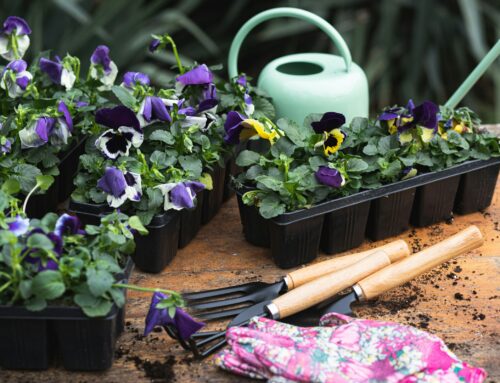
A well-designed garden should be more than just a pretty outdoor space; it should be functional, easy to maintain, and suited to your lifestyle. Whether you have a small courtyard in the London city centre or a large garden in the Cotswolds, the right design ensures your garden remains aesthetic and practical. Careful planning can turn any outdoor space into a beautiful and usable retreat, from choosing the right plants to creating structured pathways and seating areas. Here’s how to design a stunning yet practical garden transformation in in the Cotswolds that suits your needs all year round.
Step 1: Define the Purpose of Your Garden Transformation
Before selecting plants and features, consider how you want to use your garden.
Relaxation & Entertaining: Do you need seating areas, shaded spots, or an outdoor dining space?
Family-Friendly Garden: Will it include a lawn for children to play or fencing for safety?
Wildlife-Friendly Garden: Do you want to attract birds, bees, and butterflies with pollinator-friendly plants?
Low-Maintenance Design: Do you prefer a simple layout with easy-care plants for minimal upkeep?
Tip: Clearly defining the primary function of your garden helps create a layout that serves your lifestyle.
Step 2: Choose the Right Layout for Your Space
A well-structured garden feels balanced and inviting. The proper layout improves accessibility, flow, and practicality.
Zoning Different Areas: Divide your garden into functional spaces such as a lawn, seating area, flower beds, and pathways.
Pathways & Walkways: Adding gravel, stepping stones or paved paths makes navigation easy and keeps the garden tidy.
Framing & Boundaries: Use hedges, trellises, or fencing to create privacy and structure.
Tip: A garden should feel cohesive, not cluttered. Keep pathways wide enough for easy access and ensure seating areas are well-placed for relaxation.
Step 3: Select Plants That Thrive in Oxford’s Climate
The Cotswolds climate includes mild winters and warm summers, so it is important to choose plants that can withstand seasonal changes.
Best Low-Maintenance Plants for Cotswolds Gardens:
Lavender & Rosemary – Drought-resistant and fragrant, perfect for borders.
Hardy Geraniums & Salvias – Long-flowering and great for pollinators.
Ornamental Grasses (Miscanthus, Stipa, Festuca) – Adds texture and movement.
Evergreens (Boxwood, Yew, Hebe) – Provides year-round structure.
Tip: Select a mix of seasonal flowers, evergreens, and native plants to keep your garden looking beautiful throughout the year.
Step 4: Make the Garden Easy to Maintain
A practical garden should require minimal effort to keep it looking great. Here’s how to reduce maintenance without sacrificing beauty:
Mulch Flower Beds: Helps suppress weeds and retain moisture.
Install a drip irrigation system: Saves time on watering.
Choose Slow-Growing Hedges & Bushes: Reduces the need for frequent trimming.
Use Hardscaping Features: Reduce lawn maintenance by using gravel paths, decking, or paved patios.
Tip: Group plants with similar watering needs together to make irrigation more efficient.
Step 5: Add Functional & Decorative Features
To make a garden both beautiful and practical, include elements that add comfort, style, and functionality.
Seating Areas: A paved patio, deck, or shaded bench provides a space for relaxation.
Garden Lighting: Solar-powered lights illuminate pathways and seating areas.
Water Features: A small fountain or pond adds tranquillity while attracting wildlife.
Raised Beds & Planters: Ideal for growing herbs and vegetables without ample space.
Tip: Use multi-purpose features like seating with built-in storage to maximise space.
Step 6: Plan for Year-Round Beauty
Choose plants and structures that offer continuous interest to keep your garden looking vibrant in every season.
Spring: Daffodils, tulips, cherry blossoms.
Summer: Lavender, roses, salvias.
Autumn: Japanese maples, ornamental grasses.
Winter: Evergreens, holly, and heather for structure.
Tip: Combining seasonal colour, evergreen plants, and structural features ensures an attractive garden all year.
Step 7: Work with a Professional for the Best Results
Designing a beautiful and practical Cotswolds garden transformation takes careful planning, but the results are worth it. A professional gardening service can bring your vision to life if you want expert advice on landscaping, plant selection, and maintenance.
If you want a stunning and practical garden in the Cotswolds, RJ’s Garden Solutions can help. With over 20 years of experience, we specialise in garden design, soft landscaping, hedge trimming, and year-round maintenance to keep your outdoor space thriving. Contact us today and transform your garden into the perfect outdoor retreat!