As environmental awareness grows, more homeowners and businesses in the Cotswolds are turning to sustainable landscaping to create beautiful, eco-friendly outdoor spaces. Sustainable landscaping focuses on minimising environmental impact while maintaining a functional, low-maintenance, and visually appealing garden.
Whether you want to reduce your carbon footprint, conserve water, or attract wildlife, sustainable landscaping offers practical solutions that benefit both the environment and your outdoor space.
What is Sustainable Landscaping?
Sustainable landscaping involves designing, maintaining, and managing gardens in a way that reduces environmental harm. Instead of relying on artificial fertilisers, excessive watering, or chemical treatments, eco-friendly gardening focuses on natural processes and long-term sustainability.
Key principles of sustainable landscaping in the Cotswolds include:
- Using native plants that require less water and maintenance
- Conserving water through rainwater harvesting and drought-resistant plants
- Reducing chemical use with organic gardening techniques
- Encouraging biodiversity to support local wildlife
- Recycling garden waste through composting and mulching
Following these principles can reduce waste, save time and money, and create a resilient garden that thrives in the Cotswolds climate.
Eco-Friendly Garden Solutions for Homes and Businesses in the Cotswolds
Choose Native & Drought-Resistant Plants
Native plants are naturally adapted to the Cotswolds climate and soil, requiring less water and care than exotic species. Choosing low-maintenance, drought-resistant plants also helps conserve water and reduce the need for chemical fertilisers.
Best Native Plants for Sustainable Cotswolds Gardens:
- Lavender – Drought-resistant and pollinator-friendly
- Hardy Geraniums – Thrives with minimal watering
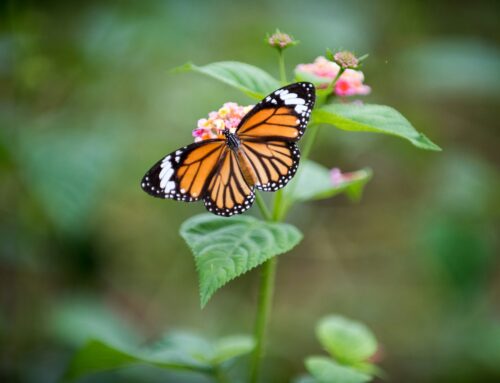
- Wildflowers – Supports bees and butterflies
- Ornamental Grasses (Miscanthus, Stipa, Festuca) – Low-maintenance and visually striking
Tip: Mix seasonal plants with evergreens to maintain colour and structure all year round.
Water Conservation Strategies
Water is a precious resource, and sustainable gardening focuses on reducing unnecessary water waste while keeping plants healthy.
Ways to Reduce Water Usage in Your Garden:
- Install rainwater collection systems to use natural water for irrigation
- Use mulch to retain soil moisture and reduce evaporation
- Choose drought-tolerant plants that require minimal watering
- Group plants with similar water needs together to optimise irrigation
Tip: Watering early in the morning or late in the evening minimises evaporation and ensures plants absorb moisture effectively.
Organic Gardening & Soil Health
Healthy soil is the foundation of a thriving garden. Sustainable landscaping avoids synthetic fertilisers and pesticides, instead focusing on natural ways to nourish the soil.
Tip: Leaving fallen leaves in garden beds during autumn adds nutrients to the soil as they decompose.
Encourage Local Biodiversity
A sustainable garden works with nature rather than against it. Encouraging biodiversity ensures a healthy, balanced ecosystem that naturally manages pests and promotes plant growth.
Tip: Avoid excessive pruning or cutting back in autumn, leaving some natural debris helps wildlife survive the winter.
Sustainable Hardscaping & Garden Design
Hardscaping (paths, patios, and structures) is key in garden design. Choosing sustainable materials ensures durability while reducing environmental impact.
Tip: Avoid artificial grass. Although it may be low maintenance, it prevents water absorption and harms soil ecosystems.
Suppose you’re looking to transform your outdoor space into an eco-friendly haven. In that case, RJ’s Garden Solutions has over 20 years of experience, we help homeowners and businesses in the Cotswolds design, create, and maintain beautiful, environmentally responsible gardens.
Contact RJ’s Garden Solutions today to start your journey toward a greener, more sustainable garden!